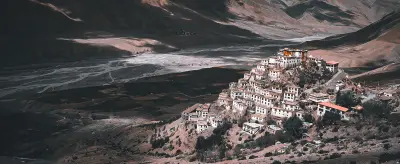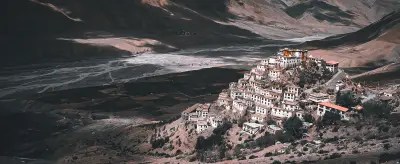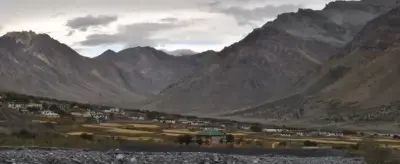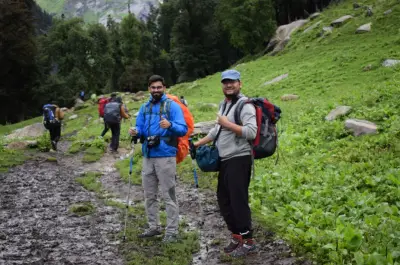

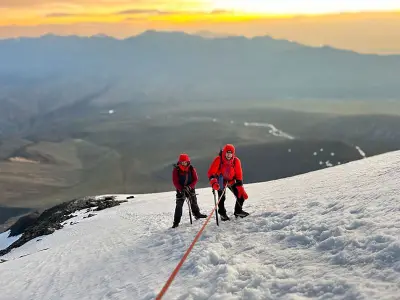
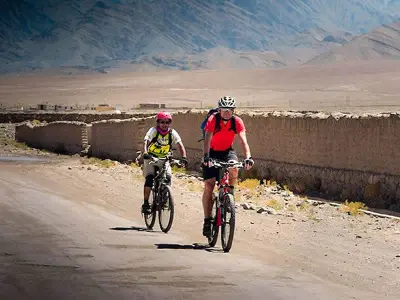
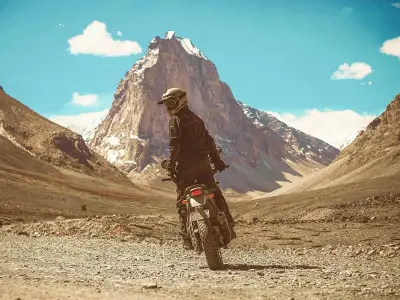


Planning your dream trip to Spiti Valley? Choosing the right season can completely transform your experience. From snow-covered villages and frozen rivers in winter to crystal-clear blue skies, vibrant monasteries, and breathtaking road trips in summer, Spiti offers a different adventure every month of the year.
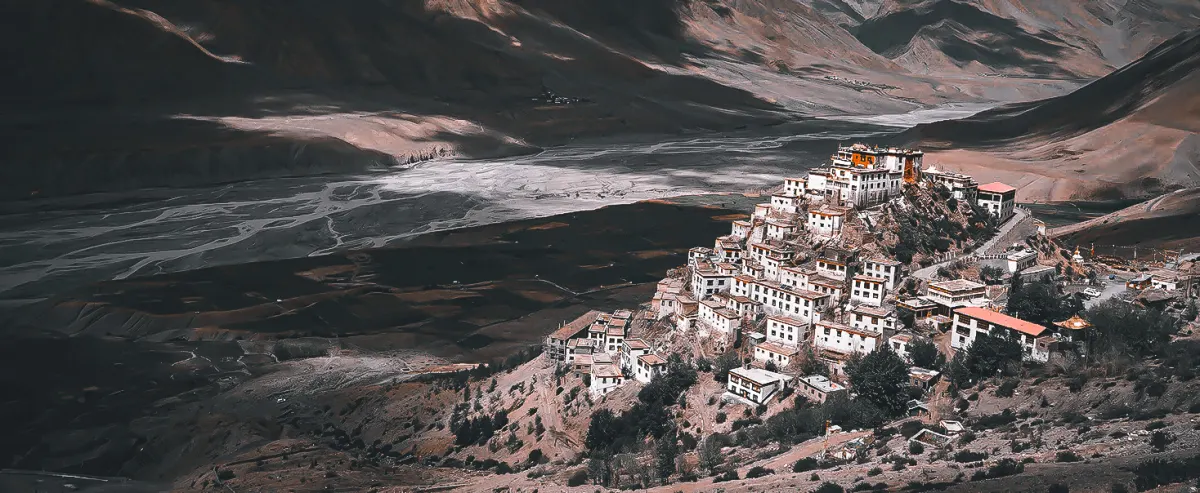
Known as the "Middle Land" between India and Tibet, Spiti Valley is one of the most spectacular destinations in the Indian Himalayas. Located at an altitude ranging from 3,300 to over 4,500 metres, this cold desert is famous for its dramatic landscapes, ancient Buddhist monasteries, remote villages, turquoise rivers, high mountain passes, and unforgettable road journeys.
Unlike many Himalayan destinations, there is no single best time to visit Spiti. The ideal season depends on what kind of traveler you are—whether you're looking for snow, road trips, trekking, photography, camping, cultural experiences, or peaceful mountain escapes.
This comprehensive guide covers everything you need to know about the weather, road conditions, month-wise travel tips, festivals, and the best time for different activities so you can confidently plan your Spiti adventure.
Quick Overview
ExperienceBest TimeFirst VisitJune – SeptemberComplete Spiti CircuitMid June – SeptemberSnowfallJanuary – MarchPhotographySeptemberStargazingSeptember & OctoberTrekkingJune – SeptemberBike TripsJune – SeptemberFamily HolidaysJune & SeptemberBudget TravelMay & OctoberOverall Winner: June and September are considered the best months thanks to pleasant weather, open roads, fewer weather disruptions, and excellent sightseeing opportunities.
Why Timing Matters in Spiti Valley
Spiti is unlike any other destination in India. The weather changes dramatically throughout the year, and road accessibility depends heavily on snowfall and mountain conditions.
The valley lies in the rain-shadow region of the Himalayas, meaning it receives very little rainfall compared to nearby regions like Kullu or Shimla. Summers are sunny and comfortable, while winters are long, dry, and extremely cold. High mountain passes such as Kunzum Pass usually remain snowbound for several months each year, affecting access from the Manali side. Seasonal road conditions can change based on snowfall and maintenance work.
Spiti Valley Weather by Season
Summer (May – June): The Beginning of Adventure
Summer marks the official tourist season in Spiti Valley. As the snow begins to melt, roads gradually reopen, villages become lively, and the landscape transforms into a paradise for travelers.
Weather
Day: 10°C – 20°C
Night: 0°C – 8°C
Why Visit in Summer?
Pleasant weather for sightseeing
Roads gradually open after winter
Snow walls near Kunzum Pass
Comfortable temperatures
Excellent visibility
Green valleys around Kinnaur
Top Experiences
Visit Key Monastery
Explore Kaza town
Send postcards from Hikkim (one of the world's highest post offices)
Visit Langza's giant Buddha statue
Explore Kibber Wildlife Sanctuary
Enjoy Chandratal Lake (when accessible)
Summer is ideal for families, couples, solo travelers, and first-time visitors.
Monsoon (July – August): The Hidden Beauty
Many travelers believe monsoon is a bad time for Spiti. Surprisingly, Spiti itself receives very little rainfall because it lies behind the Himalayan rain barrier.
However, the roads approaching Spiti through Kinnaur and Manali may experience landslides or temporary delays during periods of heavy rain.
Weather
Day: 15°C – 22°C
Night: 8°C – 12°C
Pros
Beautiful cloud formations
Fresh mountain landscapes
Fewer tourists
Pleasant temperatures
Local festivals and cultural experiences
Things to Consider
Keep one buffer day in your itinerary.
Check road conditions before departure.
Travel with experienced local drivers if you're unfamiliar with mountain roads.
Autumn (September – October): The Photographer's Paradise
Ask experienced Himalayan travelers about the best month for Spiti, and many will say September.
The monsoon has ended, the air is exceptionally clear, and the mountains display stunning shades of gold, brown, and grey.
Weather
Day: 8°C – 18°C
Night: -2°C – 8°C
Why September Is Special
Crystal-clear skies
Minimal rainfall
Golden Himalayan landscapes
Perfect visibility
Less traffic than peak summer
Incredible night skies for astrophotography
Whether you're carrying a DSLR or simply your smartphone, September offers some of the finest photography conditions in the Himalayas.
Winter (November – April): The Frozen Desert
Winter in Spiti is for adventure seekers.
Temperatures often fall below -20°C, villages become quieter, and heavy snowfall transforms the valley into a magical white landscape.
Weather
Day: -5°C to 5°C
Night: -20°C or lower
Highlights
Snow-covered monasteries
Frozen rivers
Peaceful villages
Authentic local life
Snow Leopard expeditions
Dramatic winter photography
Challenges
Limited accommodation
Road closures
Extreme cold
Frozen water supply
Limited public transport
Winter travel should only be planned with experienced guides and a flexible itinerary.
Month-by-Month Guide
January
Extreme winter, deep snow, ideal for snow lovers and photographers.
February
Peak snow season with chances to join specialized Snow Leopard expeditions.
March
Winter slowly begins to fade while landscapes remain snow-covered.
April
Early spring arrives, but many higher roads are still closed.
May
Tourism season begins. Pleasant weather and improving road access.
June
One of the most popular months for road trips and sightseeing.
July
Comfortable temperatures with occasional travel delays on approach roads.
August
Excellent for exploring monasteries and villages, with fewer crowds than June.
September
The best month for almost every type of traveler.
October
Cool weather, fewer visitors, beautiful autumn colours.
November
Winter returns and high mountain passes begin closing.
December
Snow blankets the valley, creating a magical but demanding travel experience.
Best Time for Different Activities
ActivityRecommended MonthsRoad TripsJune – SeptemberBike ExpeditionsJune – SeptemberCampingJune – SeptemberTrekkingJune – SeptemberPhotographySeptemberStargazingSeptember – OctoberFamily HolidaysJune & SeptemberSnow AdventuresJanuary – MarchCultural ToursMay – OctoberHoneymoonSeptemberFestivals Worth Planning Around
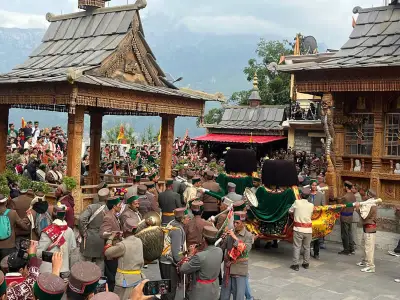
Experiencing a local festival adds a completely different dimension to a Spiti journey.
Popular celebrations include:
Ladarcha Fair
Chakhar Festival
Losar (Tibetan New Year)
Gochi Festival
These festivals showcase traditional dances, Buddhist rituals, local cuisine, handicrafts, and the warm hospitality of Spitian communities.
Essential Packing List
Summer
Light fleece
Down jacket for evenings
Sunglasses
Sunscreen (SPF 50+)
Trekking shoes
Reusable water bottle
Power bank
Winter
Heavy down jacket
Thermal layers
Waterproof gloves
Woollen socks
Snow boots
Moisturizer
Lip balm
Hand warmers
Important Travel Tips
Spend your first day acclimatizing in Kaza or another high-altitude stop.
Stay hydrated and avoid alcohol during the first 24 hours.
Carry cash, as ATMs are limited.
Fuel up whenever you find a petrol pump.
Download offline maps before entering remote regions.
Keep extra snacks, medicines, and warm clothing.
Respect monastery etiquette and local customs.
Build flexibility into your itinerary in case of weather-related delays.
Why Travel with Himalayan Frontiers?
A destination like Spiti deserves more than just a standard package—it deserves thoughtful planning and local expertise.
Himalayan Frontiers specializes in curated Himalayan journeys, including Spiti Valley road trips, cultural expeditions, trekking adventures, and tailor-made itineraries. Based in Manali, their experienced local team helps travelers explore the Himalayas with well-planned routes, comfortable stays, experienced drivers, and knowledgeable guides. The company also offers customized private tours, small-group adventures, and trekking experiences across Himachal, Ladakh, and Zanskar.
Why Choose Himalayan Frontiers?
✔ Local Himalayan experts
✔ Customized itineraries
✔ Comfortable accommodations
✔ Experienced mountain drivers
✔ Small group and private tours
✔ Trekking and overland expeditions
✔ 24/7 travel support
✔ Flexible booking assistance
Whether you're planning your first Himalayan holiday or your tenth mountain expedition, the team can help create an itinerary that matches your interests, travel style, and budget.
Ready to explore Spiti Valley? Contact Himalayan Frontiers for personalized tour planning, road trip packages, trekking adventures, and custom itineraries across the Himalayas. For inquiries, bookings, or tailor-made trips, reach out via their website, call +91 98111-17942, or email info@himalayanfrontiers.com.
Frequently Asked Questions
Which is the best month to visit Spiti Valley?
September offers the best combination of pleasant weather, clear skies, fewer crowds, and excellent road conditions.
Is Spiti safe for families?
Yes. Between June and September, Spiti is an excellent destination for families, provided proper acclimatization and planning are followed.
Can beginners drive to Spiti?
Yes, but mountain driving experience is recommended. If you're not confident, hiring a local driver or booking a guided tour is a safer and more relaxing option.
Which route should I choose?
Shimla – Kinnaur – Spiti: Better for gradual altitude gain and acclimatization.
Manali – Spiti: More adventurous, shorter, and famous for dramatic high-altitude passes.
How many days are enough?
A well-planned 8 to 10-day itinerary allows you to explore major attractions such as Kaza, Key Monastery, Kibber, Langza, Hikkim, Tabo, Dhankar, Pin Valley, and Chandratal without rushing.
Final Thoughts
Spiti Valley is not just a destination—it's an experience that stays with you long after the journey ends. Towering mountains, centuries-old monasteries, remote Himalayan villages, and endless open landscapes make it one of India's most rewarding road-trip destinations.
For most travelers, June to September is the ideal time to visit, offering comfortable weather, open roads, and unforgettable scenery. If you're seeking snow-covered landscapes and a quieter Himalayan escape, winter unveils a completely different side of Spiti.
No matter when you choose to travel, careful planning is essential. With the right itinerary and experienced local support from Himalayan Frontiers, you can enjoy a safe, comfortable, and truly memorable journey through one of the world's most extraordinary mountain regions.