


Hampta Pass Trek: The Complete Guide to Himachal Pradesh's Most Dramatic Himalayan Adventure
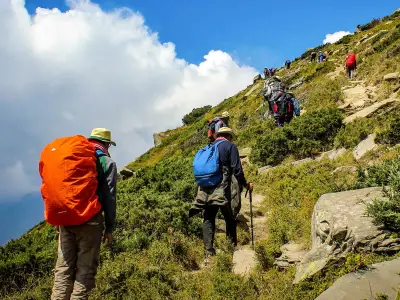
The Hampta Pass Trek is widely regarded as one of India's most spectacular crossover treks. Located in Himachal Pradesh, this high-altitude trail connects the lush green valleys of Kullu with the stark, desert-like landscapes of Lahaul. In just a few days, trekkers witness an extraordinary transformation—from dense pine forests and wildflower meadows to glaciers, rocky terrain, and snow-covered mountain passes.
Standing at an elevation of approximately 4,270 metres (14,010 feet), Hampta Pass is ideal for both beginners seeking their first Himalayan experience and experienced trekkers looking for dramatic scenery without undertaking an extremely difficult expedition.
Unlike many Himalayan treks that remain within a single valley, Hampta Pass offers an ever-changing landscape. Every day presents a new environment, making it one of the most photogenic trekking routes in the Indian Himalayas.
Whether you're planning your first mountain adventure or adding another Himalayan trail to your bucket list, this guide covers everything you need to know—from the best season and itinerary to costs, packing essentials, fitness preparation, safety tips, and frequently asked questions.
Why Hampta Pass Trek Should Be on Your Bucket List
Few Himalayan treks offer such dramatic contrasts over such a short distance.
Within five days, you'll experience:
- Thick forests filled with deodar and pine
- Crystal-clear mountain streams
- Alpine meadows carpeted with wildflowers
- Waterfalls cascading from glaciers
- Snow bridges and river crossings
- Massive glaciers
- Rugged Himalayan cliffs
- High-altitude mountain passes
- The barren landscapes of Lahaul Valley
- Optional visit to the iconic Chandratal Lake
This remarkable diversity makes Hampta Pass one of India's most rewarding trekking experiences.
Hampta Pass Trek at a Glance
FeatureDetailsLocationHimachal PradeshStarting PointJobra (near Manali)Ending PointChatruHighest Altitude4,270 m (14,010 ft)Trek Duration4–5 DaysTotal Distance26–30 kmDifficultyEasy to ModerateBest SeasonMid-June to SeptemberRegionPir Panjal RangeNearest AirportBhuntar (Kullu-Manali Airport)Nearest Railway StationChandigarh (most preferred)AccommodationCampingMobile NetworkAvailable in Manali only
Hampta Pass Trek Highlights
Experience Two Different Himalayan Worlds
The biggest attraction of Hampta Pass is the striking contrast between two valleys.
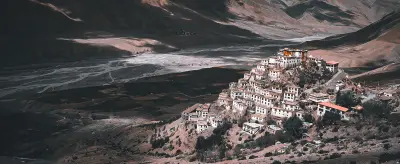
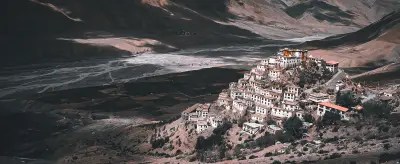
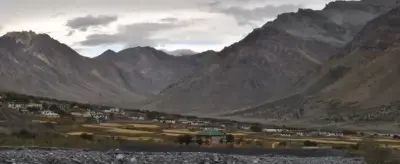
The trek begins in the lush Kullu Valley, known for its forests, rivers, and green landscapes. After crossing Hampta Pass, the scenery changes dramatically into the dry, rocky terrain of Lahaul Valley, often compared to Ladakh.
Very few Himalayan treks provide such a dramatic geographical transition within such a short distance.
Walk Through Stunning Alpine Meadows
The trail from Jobra to Jwara is filled with lush grasslands, grazing sheep, colorful wildflowers, and flowing streams.
During July and August, these meadows become vibrant with blooming Himalayan flowers, making this section one of the most scenic parts of the trek.
Cross Snow Bridges and Glaciers
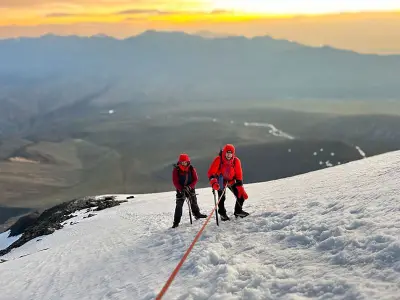
Depending on the season, trekkers cross several snow patches and glaciers before reaching Hampta Pass.
In June and early July, expect extensive snowfields, while later in the season only a few snow patches remain.
Reach the Spectacular Hampta Pass
The climb to Hampta Pass is the most challenging yet rewarding part of the trek.
From the top, panoramic views unfold in every direction:
- Indrasan Peak
- Deo Tibba massif
- Lahaul Valley
- Snow-covered ridges
- Glacier-fed streams
On clear days, the views are unforgettable.
Optional Visit to Chandratal Lake
Many trekking itineraries include a drive to the breathtaking Chandratal Lake after descending to Chatru.
Situated at around 4,300 metres, Chandratal—meaning "Moon Lake"—is one of the most beautiful high-altitude lakes in India. Its turquoise waters reflect the surrounding peaks, creating a surreal landscape that's especially stunning at sunrise and sunset.
Note: Access to Chandratal depends on road conditions and weather. Heavy rain or snowfall can sometimes make the route inaccessible.
Best Time to Visit Hampta Pass Trek
One of the reasons Hampta Pass is so popular is its relatively long trekking season.
The trek typically operates from mid-June to late September, with each month offering a distinct experience.
Hampta Pass Trek in June
June marks the beginning of the trekking season.
What to Expect
- Heavy snow near the pass
- Frozen landscapes
- Snow bridges
- Cold temperatures
- Exciting river crossings
Temperature:
- Day: 12°C–18°C
- Night: 0°C to 5°C
Best for: Snow lovers and adventure seekers.
Hampta Pass Trek in July
July brings a dramatic transformation.
The snow begins melting, revealing lush green meadows and blooming alpine flowers.
Highlights include:
- Waterfalls in full flow
- Vibrant valleys
- Pleasant trekking weather
- Spectacular landscapes
Temperature:
- Day: 15°C–20°C
- Night: 5°C–8°C
Best for: First-time trekkers and photographers.
Hampta Pass Trek in August
August is arguably the most beautiful month for the trek.
The valleys are lush, streams flow strongly, and the mountains remain partly snow-covered.
Expect:
- Rich greenery
- Flower-filled meadows
- Dramatic cloud formations
- Excellent photography opportunities
Keep in mind that August also falls within the monsoon season. Rain is common in the Kullu Valley, which can make trails muddy and slippery. Waterproof clothing and sturdy trekking shoes are essential.
Temperature:
- Day: 14°C–19°C
- Night: 5°C–8°C
Best for: Nature enthusiasts and landscape photographers.
Hampta Pass Trek in September
September is considered by many experienced trekkers to be the ideal month.
The monsoon begins to recede, leaving behind crisp skies and exceptional mountain visibility.
Advantages:
- Clear views
- Stable weather
- Fewer crowds
- Comfortable temperatures
- Excellent photography conditions
Temperature:
- Day: 12°C–18°C
- Night: 0°C–5°C
Best for: Trekkers seeking the best balance of scenery, weather, and solitude.
Which Month is Best?
MonthSnowGreeneryCrowdsWeatherJune⭐⭐⭐⭐⭐⭐⭐MediumColdJuly⭐⭐⭐⭐⭐⭐⭐⭐HighPleasantAugust⭐⭐⭐⭐⭐⭐⭐⭐HighRain PossibleSeptember⭐⭐⭐⭐⭐⭐MediumExcellent
For most trekkers, September offers the best overall experience, while June is ideal if seeing snow is your top priority.
Hampta Pass Trek Difficulty
One of the biggest reasons for Hampta Pass's popularity is that it offers a true Himalayan high-altitude experience without requiring technical mountaineering skills.
The trek is generally classified as easy to moderate, making it suitable for beginners with good fitness as well as experienced trekkers.
However, don't underestimate the challenge. You'll still encounter:
- Steep ascents on the pass day
- Rocky and uneven trails
- River crossings
- Long walking hours (5–8 hours per day)
- High-altitude conditions above 4,000 metres
A few weeks of preparation—such as regular walking, jogging, cycling, or stair climbing—can significantly improve your trekking experience.
Hampta Pass Trek Itinerary (Day-by-Day)
Most trekking operators offer a 5-day itinerary, though some packages extend to 6 days by including an extra night in Manali. The schedule below is the standard itinerary followed by most organized treks.
Day 1: Manali to Jobra Drive | Trek to Chika
Drive Distance: 16 km (1–1.5 hours)
Trek Distance: 2 km
Altitude: 2,750 m to 3,100 m
Trek Time: 1–2 hours
Your journey begins in Manali, where trekkers assemble early in the morning before driving to Jobra, the road head of the trek. The drive passes through dense forests of deodar and pine, with the Rani Nallah stream flowing alongside.
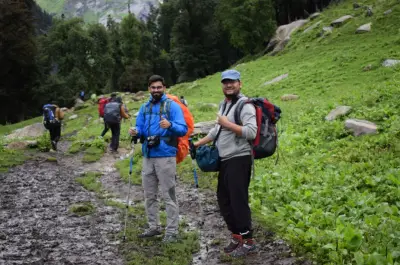
From Jobra, the trail is gentle and well-defined. You'll walk through birch forests, cross wooden bridges, and pass grazing meadows before reaching the beautiful campsite at Chika.
Highlights
- Scenic drive from Manali
- First views of snow-capped peaks
- Dense pine and maple forests
- Crystal-clear mountain streams
- Easy acclimatization walk
Day 2: Chika to Balu Ka Ghera
Distance: 7–8 km
Altitude: 3,100 m to 3,600 m
Trek Time: 5–6 hours
The second day introduces trekkers to the expansive alpine landscape for which Hampta Pass is famous.
The trail follows the Hampta River through lush meadows filled with wildflowers during July and August. You'll cross several small streams and gradually gain altitude.
The campsite at Balu Ka Ghera—literally meaning "bed of sand"—is surrounded by towering mountains and glacial valleys. This is one of the most scenic campsites on the trek.
Highlights
- Flower-filled meadows
- Glacier-fed streams
- Expansive valley views
- Snow patches early in the season
- Excellent sunset photography
Day 3: Balu Ka Ghera to Hampta Pass to Shea Goru
Distance: 8–9 km
Highest Altitude: 4,270 m
Camp Altitude: 3,900 m
Duration: 7–9 hours
This is the most challenging and rewarding day of the trek.
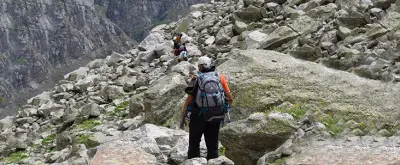
The climb begins before sunrise to take advantage of stable morning weather. The ascent becomes steeper as you approach Hampta Pass, with rocky terrain and snowfields depending on the season.
After several hours of climbing, you'll finally reach Hampta Pass (4,270 m).
Standing at the pass, you'll witness one of the greatest geographical contrasts in the Himalayas.
Behind you lies the lush green Kullu Valley.
Ahead stretches the barren, rugged landscape of Lahaul, with dramatic mountains, glaciers, and rocky slopes extending to the horizon.
After spending time at the pass, begin the steep descent toward Shea Goru, a spectacular campsite surrounded by snow-covered peaks.
Highlights
- Sunrise ascent
- Snowfields
- Panoramic Himalayan views
- Crossing Hampta Pass
- Dramatic transition into Lahaul Valley
- Glacier-fed waterfalls
Day 4: Shea Goru to Chatru | Drive to Chandratal (Optional)
Distance: 6–7 km
Trek Time: 4–5 hours
Today's trek is comparatively easier.
The trail descends through rocky terrain while following glacial streams into the Lahaul Valley.
You'll eventually arrive at Chatru, where the trek officially ends.
If weather and road conditions permit, most trekking groups continue by vehicle toward the magnificent Chandratal Lake.
The drive itself is adventurous, crossing rugged mountain roads and dramatic landscapes.
After spending time at Chandratal, return to Chatru or continue toward the designated campsite, depending on the itinerary.
Highlights
- Lahaul landscapes
- River crossings
- Chandratal excursion
- High-altitude desert scenery
Day 5: Chatru to Manali
Drive Distance: Approximately 85 km
The return journey follows the famous Atal Tunnel route back to Manali.
Along the way you'll pass:
- Chandra River
- Gramphu
- Solang Valley
- Atal Tunnel
- Manali
The drive offers one final opportunity to admire Himachal Pradesh's spectacular mountain scenery.
Altitude Profile
Understanding the altitude gain helps trekkers prepare for the physical demands of the trek.
LocationAltitudeManali2,050 mJobra2,750 mChika3,100 mBalu Ka Ghera3,600 mHampta Pass4,270 mShea Goru3,900 mChatru3,350 m
Although the altitude gain is gradual, proper hydration and pacing are essential to reduce the risk of altitude-related illness.
How to Reach Hampta Pass Trek
The trek begins from Jobra, which is approximately 16 km from Manali.
By Air
The nearest airport is Bhuntar Airport (Kullu-Manali Airport), located about 50 km from Manali.
Flights are limited and can be affected by weather, so booking well in advance is recommended.
By Train
There is no railway station in Manali.
The most convenient options are:
- Chandigarh Railway Station
- Pathankot Railway Station
From either station, travelers can continue by bus or taxi to Manali.
By Road
Manali is well connected by road to major North Indian cities.
Approximate travel times:
CityDistanceTimeDelhi540 km12–14 hrsChandigarh300 km8–9 hrsDharamshala240 km7–8 hrs
Volvo buses from Delhi to Manali operate daily and are a popular choice among trekkers.
Hampta Pass Trek Cost
The cost of the trek varies depending on the operator, inclusions, and group size.
Typical price range:
₹7,500–₹12,500 per person
Packages generally include:
- Camping accommodation
- Meals during the trek
- Certified trek leader
- Local guides
- Support staff
- Forest permits
- Camping equipment
- Medical kit
- Transportation between Manali and the trek start/end points
Usually Not Included
- Travel to Manali
- Personal trekking gear
- Backpack and trekking poles (if rented)
- Travel insurance
- Emergency evacuation expenses
- Personal expenses
Permits Required
Since the trail passes through protected forest areas, trekking operators arrange the necessary forest permits on behalf of participants.
Independent trekkers should check the latest regulations with the local forest authorities before planning their trek.
Always carry:
- Government-issued photo ID
- Passport (for foreign nationals)
- Passport-sized photographs (if requested)
Accommodation During the Trek
Accommodation is entirely in twin-sharing or triple-sharing alpine tents.
Typical campsite facilities include:
- Sleeping tents
- Dining tent
- Kitchen tent
- Toilet tents
- Sleeping mats
Electricity is not available at campsites, so carrying a fully charged power bank is highly recommended.
Food on the Trek
Organized treks provide freshly prepared vegetarian meals.
A typical menu includes:
Breakfast
- Porridge
- Poha
- Upma
- Bread and jam
- Tea or coffee
Lunch
- Rice
- Dal
- Chapati
- Seasonal vegetables
Evening Snacks
- Soup
- Tea
- Biscuits
- Pakoras (occasionally)
Dinner
- Rice
- Dal
- Paneer or mixed vegetables
- Chapati
- Dessert (sometimes)
Trekkers should also carry personal energy snacks such as nuts, energy bars, and dried fruits for quick nutrition during long trekking days.
Weather Conditions
Weather changes rapidly in the Himalayas, especially above 3,500 metres.
Daytime
10°C to 18°C
Night
0°C to 5°C
At Hampta Pass
Temperatures can drop below freezing, especially in June and September.
Always be prepared for:
- Sudden rain
- Snowfall (early season)
- Strong winds
- Cold mornings
- Rapid weather changes
Layering your clothing is the best way to stay comfortable in varying conditions.
Is Hampta Pass Suitable for Beginners?
Yes—but with preparation.
The Hampta Pass Trek is one of the best Himalayan treks for first-time trekkers because it offers:
- Well-established trails
- Moderate daily distances
- Gradual altitude gain
- Professional support on guided treks
- Exceptional scenery without technical climbing
However, beginners should build their endurance before the trek with regular cardio exercise, walking, or hiking.
Packing List for Hampta Pass Trek
Packing wisely can make the difference between an enjoyable trek and an uncomfortable one. Since weather in the Himalayas changes rapidly, dressing in layers is the best strategy.
Clothing
Upper Body
- 2–3 quick-dry trekking T-shirts
- 1 full-sleeve thermal base layer
- 1 fleece jacket
- 1 insulated/down jacket
- Waterproof and windproof shell jacket
Lower Body
- 2 trekking pants
- 1 thermal bottom
- Waterproof rain pants (recommended during monsoon)
Accessories
- Woollen cap or beanie
- Sun cap or wide-brim hat
- Neck gaiter or buff
- Waterproof gloves
- Woollen gloves
- 4–5 pairs of trekking socks
- Sunglasses (UV400 protection)
Footwear
Your shoes are one of the most important investments for the trek.
Carry:
- High-ankle waterproof trekking shoes with good grip
- Lightweight camp shoes or sandals
- Gaiters (optional in snow season)
Avoid wearing brand-new trekking shoes on the trek. Break them in with several practice walks beforehand to prevent blisters.
Backpack Essentials
- 40–60L backpack
- Rain cover
- 20L daypack (optional)
- Dry bags or zip-lock bags for electronics and clothing
Personal Gear
- Trekking poles
- Headlamp with spare batteries
- Reusable water bottles (2 litres total capacity)
- Thermos flask (optional)
- Power bank (10,000–20,000 mAh)
- Camera
- Extra memory cards
- Personal toiletries
- Sunscreen (SPF 50+)
- Lip balm with SPF
- Wet wipes
- Quick-dry towel
- Toilet paper
- Hand sanitizer
Personal Medical Kit
Always carry your own medications, even if you're trekking with an organized group.
Recommended items include:
- Pain relief tablets
- Anti-diarrheal medication
- Oral rehydration salts (ORS)
- Band-aids
- Crepe bandage
- Antiseptic cream
- Personal prescription medicines
- Motion sickness tablets (for mountain roads)
Consult your doctor before carrying or taking any medication related to altitude.
Fitness Preparation
Although Hampta Pass is considered an easy to moderate trek, proper preparation makes the experience far more enjoyable.
Start training 4–6 weeks before your trek.
Cardio
Aim for at least 30–45 minutes of:
- Running
- Brisk walking
- Cycling
- Swimming
- Stair climbing
At least four sessions per week are recommended.
Strength Training
Focus on:
- Squats
- Lunges
- Step-ups
- Planks
- Core exercises
- Calf raises
Strong leg muscles reduce fatigue during long descents.
Endurance
If possible:
- Go on weekend hikes
- Walk with a loaded backpack
- Practice on uneven terrain
- Gradually increase walking distance
Flora and Fauna
The Hampta Pass Trek passes through diverse ecological zones, making it rich in Himalayan biodiversity.
Flora
Depending on the season, you'll encounter:
- Deodar forests
- Pine trees
- Birch forests
- Rhododendron shrubs
- Alpine grasses
- Wildflowers
- Medicinal herbs
- Moss-covered rocks
July and August are especially vibrant, with alpine meadows bursting into bloom.
Fauna
Wildlife sightings are possible but never guaranteed. Species in the region include:
- Himalayan marmots
- Mountain goats
- Himalayan monal (state bird of Himachal Pradesh)
- Golden eagles
- Griffon vultures
- Himalayan snowcock
- Foxes
- Pikas
Observe wildlife from a distance and avoid feeding animals.
Photography Tips
Hampta Pass offers some of the most photogenic landscapes in the Indian Himalayas.
Best Photography Spots
- Jobra forests
- Chika meadows
- Balu Ka Ghera campsite
- Hampta Pass summit
- Shea Goru valley
- Chatru
- Chandratal Lake (if included)
Best Time for Photos
- Sunrise for soft light and clear skies
- Late afternoon for dramatic mountain shadows
- Blue hour around campsites
- Night for astrophotography, especially on clear moonless nights
Carry extra batteries, as cold temperatures can reduce battery life.
Responsible Trekking
The Himalayas are fragile ecosystems. Every trekker plays a role in preserving them.
Follow these principles:
- Carry back all non-biodegradable waste.
- Avoid single-use plastic.
- Stay on marked trails to reduce erosion.
- Respect local communities and customs.
- Do not disturb wildlife.
- Use refillable water bottles.
- Keep noise levels low.
- Leave campsites cleaner than you found them.
Responsible trekking ensures these landscapes remain pristine for future generations.
Safety Tips
Mountain weather and terrain demand caution.
- Trek with a certified guide or experienced operator.
- Drink 3–4 litres of water daily.
- Avoid alcohol and smoking during the trek.
- Pace yourself—don't rush ascents.
- Follow your trek leader's instructions.
- Wear layers to adapt to changing temperatures.
- Keep rain gear easily accessible.
- Inform your guide immediately if you feel unwell.
Remember: reaching the summit is optional; returning safely is essential.
Understanding Altitude Sickness
Hampta Pass reaches over 4,200 metres, where altitude can affect anyone, regardless of age or fitness.
Common Symptoms
- Headache
- Nausea
- Dizziness
- Fatigue
- Loss of appetite
- Difficulty sleeping
Prevention
- Ascend gradually.
- Stay hydrated.
- Eat regular meals.
- Avoid overexertion.
- Report symptoms early.
Severe symptoms require immediate descent and medical attention.
Chandratal Lake Extension
Many Hampta Pass itineraries include an optional visit to Chandratal Lake, one of the most iconic high-altitude lakes in the Himalayas.
Known as the "Moon Lake" because of its crescent shape, Chandratal sits at approximately 4,300 metres above sea level in the Spiti region. Surrounded by barren mountains and reflecting vivid shades of blue and turquoise, it is a favorite among photographers and nature lovers.
The lake is usually accessible from late June to early October, depending on snowfall and road conditions. The final stretch involves a short walk from the parking area.
If your itinerary allows and the weather cooperates, adding Chandratal to your Hampta Pass Trek is highly recommended.
Frequently Asked Questions
Is Hampta Pass Trek suitable for beginners?
Yes. It is one of the best Himalayan treks for first-time trekkers with a reasonable level of fitness.
How many days does the trek take?
Most itineraries take 5 days, excluding travel to and from Manali.
What is the highest altitude?
Hampta Pass stands at approximately 4,270 metres (14,010 feet).
Is there mobile network coverage?
Mobile connectivity is generally available in Manali but is unreliable or unavailable during the trek.
Are permits required?
Yes. Organized trekking companies usually arrange all necessary permits.
Can children join?
Older children with good fitness may be able to participate, but age suitability should be discussed with the trek operator.
Is camping safe?
Yes. Organized camps follow standard safety practices and are managed by experienced trek leaders and support staff.
Can I trek solo?
While experienced trekkers sometimes go independently, joining an organized group is recommended due to changing weather, navigation challenges, and safety considerations.
What is the total trekking distance?
The trek covers approximately 26–30 km, depending on the itinerary.
Is there snow throughout the season?
Snow is most common in June and early July. By late August and September, only isolated snow patches usually remain.
Is travel insurance necessary?
It is strongly recommended, especially if it covers trekking activities and emergency evacuation.
What type of food is served?
Most organized treks provide freshly cooked vegetarian meals with options suitable for sustained energy during trekking.
Are washroom facilities available?
Temporary toilet tents are typically provided at campsites. Permanent facilities are not available on the trail.
Can I charge my devices?
No. Campsites generally do not have electricity. Carry a fully charged power bank.
Is drinking water available?
Yes. Water is sourced from mountain streams and is usually filtered or treated by the trek team. Carry a reusable bottle and purification tablets as a backup.
Final Thoughts
The Hampta Pass Trek is much more than a mountain trail—it's a journey through two dramatically different Himalayan worlds. In just a few days, you'll walk from lush forests and flower-filled meadows to rugged high-altitude deserts, crossing glaciers, rivers, and one of Himachal Pradesh's most beautiful mountain passes along the way.
Whether you're a first-time trekker or a seasoned adventurer, Hampta Pass offers an unforgettable blend of natural beauty, adventure, and cultural richness. With proper preparation, the right gear, and respect for the mountains, this trek promises memories that will last a lifetime.
If you're looking for a Himalayan experience that combines accessibility with breathtaking scenery, Hampta Pass deserves a place at the top of your trekking list.